


Our Root Cause Analysis goes beyond symptoms to uncover the structural issues impacting performance.

Quantitative (process data, performance KPIs) and qualitative (interviews, observations) inputs from operations.

Using tools like Pareto Analysis, 5 Whys, Fishbone Diagrams, and Failure Mode Effect Analysis (FMEA) to identify recurring causes.

We distinguish between visible symptoms and hidden drivers, separating noise from actionable insight.

Root causes, Operational and financial impact, quick wins and long-term recommendations
Structured frameworks to pinpoint the true source of issues.
Eliminate guesswork with fact-based, analytical approaches.
Design solutions that stop problems from resurfacing.


Minimize downtime, reduce costs, and optimize performance.
Design solutions that stop problems from resurfacing.
Empower leadership with clarity and data driven insight to move forward decisively.
Transformative results across industries
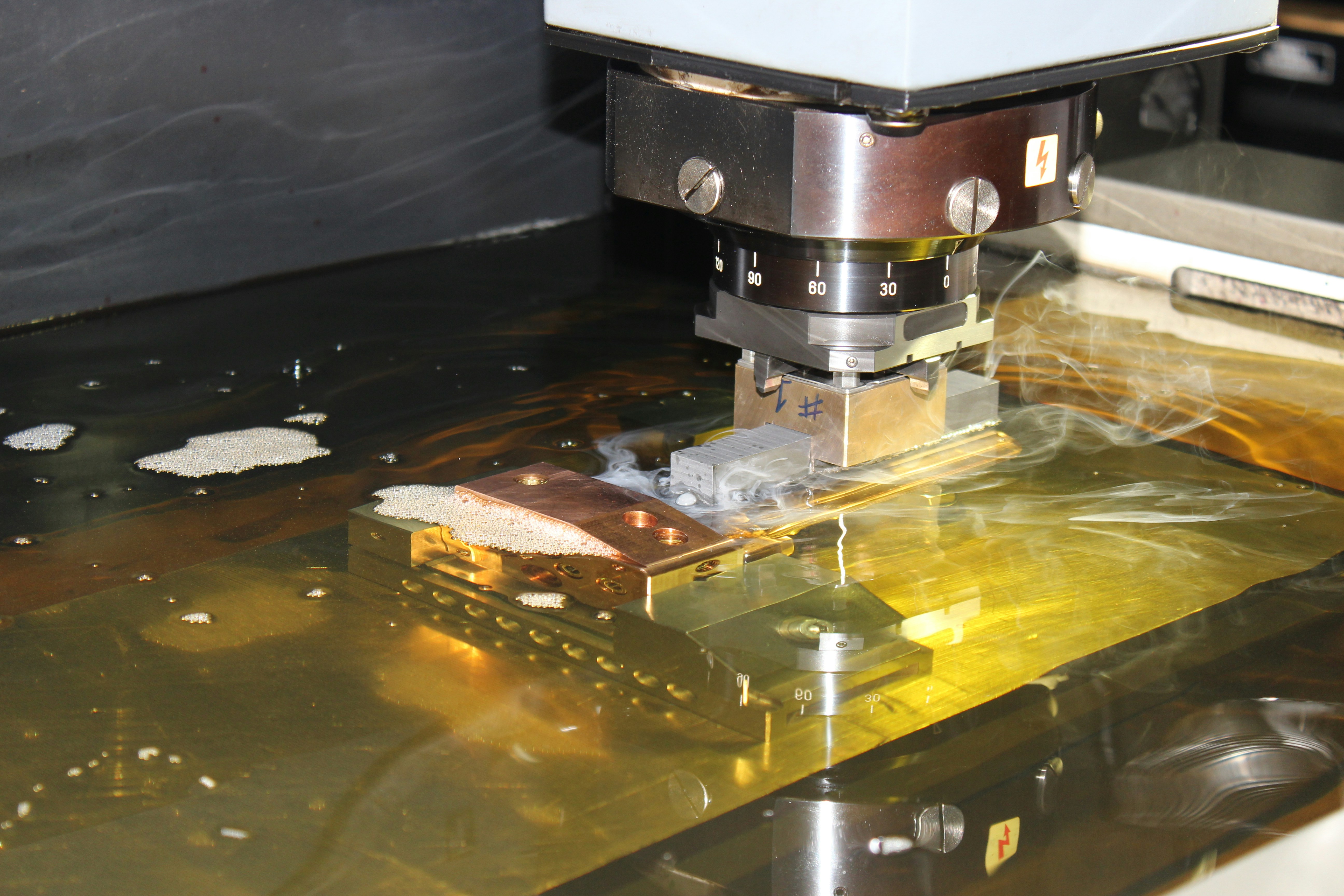


First hand observation of work as it happens to understand real conditions, behaviors, and constraints.
Visualizing end to end workflows to identify dealys, waste, and inefficiencies.
Capturing insights from operators, supervisors, and stakeholders to uncover execution gaps.
Internal & External: Translating customer and stakeholder feedback into quantified improvement opportunities.
Evidence based diagnostics using structured data, trend analysis, and pattern detection.
Structured root cause questioning to move beyond symptoms and superficial fixes.
Proactively identifying, prioritizing, and mitigating potential process failure points.
Assessing operational, quality, and delivery risks based on likelihood and impact.
Systematic identification of contributing factors across people, process, material and systems
Monitoring process stability and variation using statistical methods.
Establishing fact based performance benchmarks prior to solution design.
Comparing current performance with external and internal best practices to identifying gaps
We don't bring assumptions, we bring clarity.
Let's identify the problem worth solving, and design everything else around it.